 EN
EN
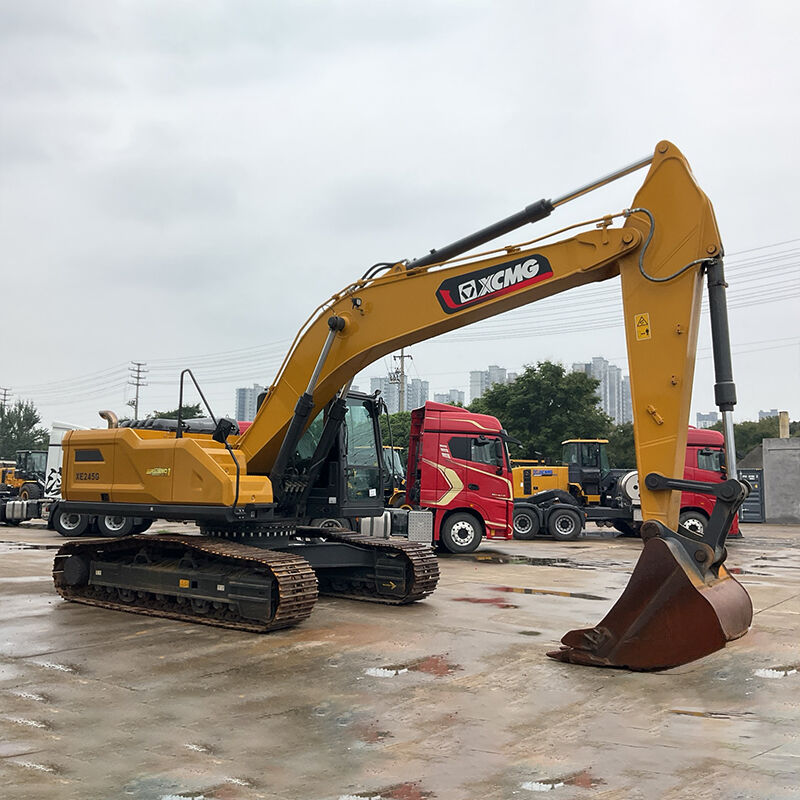
Assess Structural Integrity of the Second Hand Excavator
Inspect undercarriage wear, track tension, and roller/sprocket condition
The undercarriage is one of the most expensive components to replace—so a careful inspection here can save thousands. Start by checking track tension: a correctly tensioned track should have 10–15 cm of sag above the carrier roller. Examine the drive sprocket for hooked or sharpened teeth—a telltale sign of excessive wear. Inspect rollers and idlers for flat spots or oil seepage; leaks indicate failing seals. Also look for missing or severely worn track pads. If the machine has operated on abrasive terrain (e.g., rocky or sandy soils), undercarriage life may be significantly reduced. Industry benchmarks indicate a well-maintained undercarriage lasts 4,000–6,000 hours—cross-check this against the hour meter and visible wear patterns. A worn undercarriage often signals heavy prior use or inconsistent maintenance.
Evaluate boom, arm, and bucket for cracks, weld repairs, or excessive play
Structural cracks in the boom or arm pose serious safety and performance risks. Use a flashlight to inspect weld seams, pin bosses, and areas near cylinder mounts. Paint bubbling or rust streaks may conceal prior repairs. Any weld that differs in profile or finish from the original factory bead warrants further investigation. Check for excessive play at pivot pins: lift the bucket off the ground and observe lateral movement—more than 2–3 mm suggests worn bushings or pins requiring replacement. The bucket should retain intact cutting edges and side wear plates; deep gouges or bent plates reduce digging efficiency and increase long-term operating costs. A structurally sound second hand excavator feels rigid during operation—no clicking, binding, or flexing when cycling the boom.
Check hydraulic cylinder rods and seals for scoring, pitting, or leakage
Hydraulic cylinders are central to excavator performance—and their condition directly affects responsiveness, power transfer, and longevity. Run the boom, arm, and bucket through full strokes while observing cylinder rods. A smooth, shiny surface is ideal; scoring or pitting indicates contamination or past neglect. Minor scratches may be acceptable, but deep grooves will rapidly compromise new seals. After extended operation, inspect for oil mist or drips around rod seals—early signs of seal failure that worsen over time. Extend the stick cylinder fully with the bucket on the ground to examine the exposed rod. Persistent leakage requires a rebuild: replacing a single cylinder typically costs $1,500–$3,000. Factor this into negotiation leverage. A well-maintained second hand excavator will have dry, unscored rods and clean, intact seals across all major cylinders.
Test Engine and Hydraulic System Performance
Diagnose engine health via cold-start behavior, idle stability, and abnormal noises
Begin your performance evaluation with the engine. A healthy unit starts promptly on cold start without prolonged cranking or excessive white or blue smoke. At idle, RPM fluctuations beyond ±50 rpm may point to fuel system issues or worn injectors. Listen carefully for abnormal sounds: metallic knocking could signal connecting rod wear, while high-pitched whining may indicate turbocharger degradation. These auditory cues often precede costly failures—document them as objective bargaining points.
Verify hydraulic pressure, flow consistency, and implement responsiveness under load
Operational hydraulic testing must occur under realistic working conditions. Confirm pressure readings align with manufacturer specifications using calibrated gauges; deviations exceeding 10% suggest pump wear or relief valve malfunction. Assess flow consistency during simultaneous operations—hesitations during combined boom-and-swing movements often reveal flow divider issues. Finally, test implement responsiveness: buckets should react within 0.8 seconds of control input when handling 80% of rated load. Delayed or jerky responses indicate valve wear, internal leakage, or fluid contamination—issues that degrade both efficiency and operator safety.
Review Maintenance History and Documentation
Validate service records, filter replacements, fluid changes, and major component overhauls
Maintenance history is the strongest predictor of future reliability. Request complete service logs documenting filter replacements, hydraulic fluid changes, and scheduled lubrications—these reflect adherence to OEM-recommended intervals. Pay close attention to records of major overhauls (e.g., hydraulic pumps, travel motors, swing gearboxes), as these components define long-term functionality. Inconsistent, incomplete, or missing documentation raises red flags about neglected maintenance—and correlates with higher risk of unexpected breakdowns. Well-documented service history not only supports longer equipment life but also strengthens resale value. Cross-reference invoice dates and labor entries with hour meter readings to verify authenticity and detect potential meter tampering.
Perform a Comprehensive Operational Test Drive
Confirm swing smoothness, travel speed consistency, brake responsiveness, and control precision
Conduct a hands-on test drive under realistic working conditions before finalizing purchase. Rotate the upper structure 360 degrees under load to assess swing smoothness—jerking or resistance may indicate bearing wear, motor issues, or hydraulic imbalance. Test travel speed consistency on both level ground and moderate inclines to evaluate pump output and track alignment. Check brake responsiveness during sudden stops at maximum travel speed; delayed engagement suggests worn brake discs, calipers, or hydraulic control issues. Finally, evaluate control precision through coordinated boom-arm-bucket motions during digging and grading tasks. Sticky controls or lagging response reveal valve block wear or contamination. According to 2023 equipment audit data, this type of operational evaluation identifies 37% of mechanical faults missed during static visual inspections.
FAQ
What should I look for when inspecting the undercarriage?
Inspect for wear in track tension, observe if there are hooked sprocket teeth, flat spots or oil seepage on rollers and idlers, and check for heavily worn or missing track pads.
How can I assess the structural integrity of a used excavator?
Examine for cracks, weld repairs, and excessive play in the boom, arm, and bucket. Focus on pivot pins, weld seams, and cylinder mount areas for potential issues.
What indicates hydraulic cylinder issues?
Look for scoring, pitting, or oil leakage on cylinder rods and seals. Persistent problems may require expensive repairs or replacements.
How do I check engine health during inspection?
Observe the cold-start behavior, idle stability, and listen for abnormal noises like knocking or whining.
What is involved in testing the hydraulic system?
Use calibrated gauges to check hydraulic pressure and flow. Test the responsiveness of controls during operations to reveal wear or flow inconsistencies.
Why is maintenance history critical?
Maintenance history provides insights into reliability. Complete service logs indicate a likelihood of longer equipment life, while inconsistent records raise concerns.