
 EN
EN
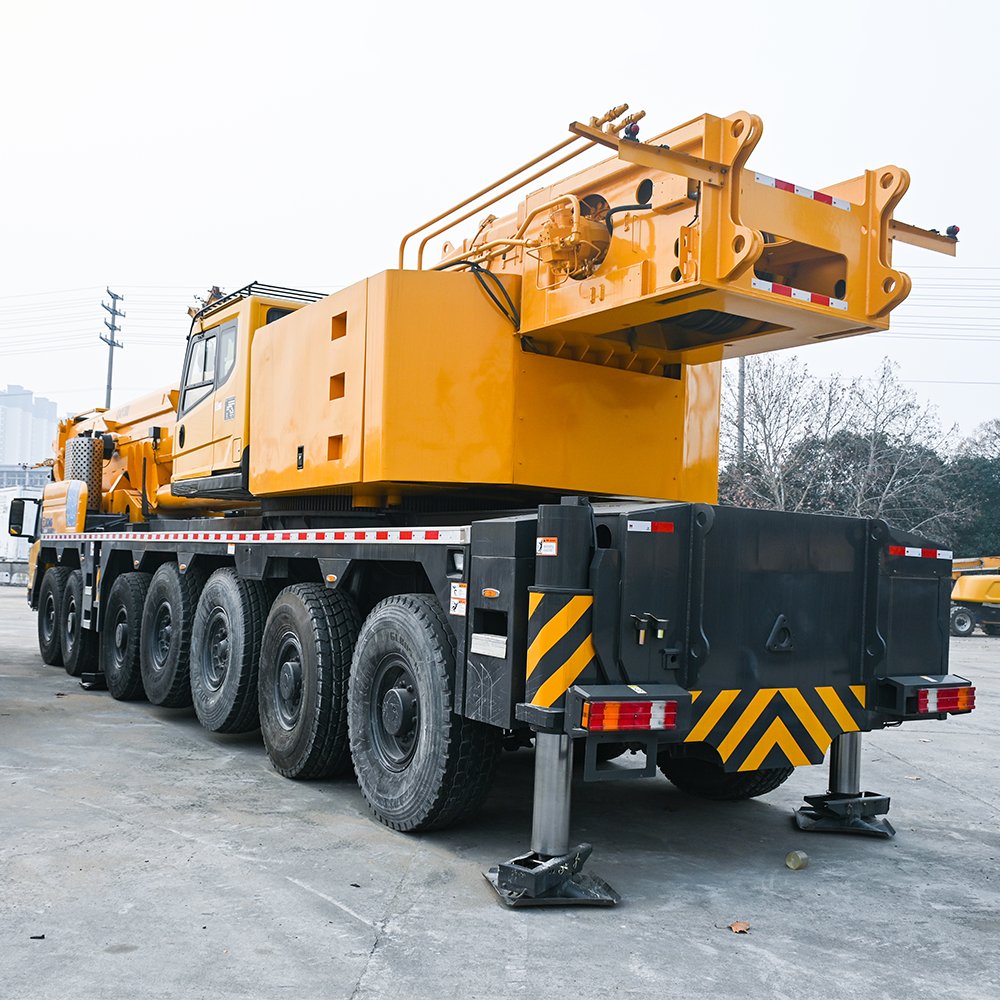
Cost Advantages of Buying Used Mobile Cranes for Sale
Upfront Savings vs. New Crane Acquisition
Acquiring a new mobile crane typically requires a capital outlay of $500,000 to several million dollars. Purchasing a used mobile crane can reduce that initial investment by 30% to 50%. For mid-size contractors and emerging-market firms, this lower entry point makes ownership feasible without straining cash reserves. The reduced purchase price also accelerates payback—revenue from early projects can recoup the investment faster than with a new machine. Additionally, used cranes are often available immediately, avoiding the months-long lead times common with new orders. Together, these advantages improve return on investment and free up working capital for other operational priorities.
Total Cost of Ownership: Depreciation, Insurance, and Tax Benefits
The financial benefit extends well beyond the sticker price. New cranes typically lose 20% to 30% of their value in the first year alone. Well-maintained used mobile cranes have already absorbed that steepest depreciation, so their residual value remains more stable over time. Insurance premiums are correspondingly lower, since coverage is based on replacement cost—and used units carry significantly less insured value. Crucially, used cranes qualify for the same tax treatment as new ones: they remain depreciable capital assets under IRS guidelines, enabling accelerated depreciation deductions (e.g., Section 179 or bonus depreciation) that offset taxable income. When factoring in depreciation, insurance, and tax efficiency, the total cost of ownership for a thoughtfully selected used crane is consistently lower than that of a new model—delivering measurable savings across its full service life.
Reliability and Performance of Preowned Mobile Cranes
When evaluating used mobile cranes for sale, reliability is non-negotiable. Unlike new units, preowned models require rigorous assessment of their operational history—not just to confirm current function, but to project long-term viability.
Leveraging Maintenance Logs and Operational Hours to Assess Long-Term Viability
Comprehensive maintenance records provide the most reliable window into a crane’s health. Prioritize units with documented adherence to OEM service schedules—especially for hydraulic system servicing, structural inspections, and critical component replacements. Operational hours serve as a strong proxy for wear: units under 10,000 hours generally retain substantial service life when backed by consistent maintenance. Always cross-reference log entries with physical inspection findings—discrepancies between documentation and observed condition warrant immediate scrutiny.
Uptime Benchmarks: CMAA 2023 Data on Well-Maintained Used Mobile Cranes for Sale
Recent data from the Crane Manufacturers Association of America (CMAA) confirms that properly maintained used mobile cranes deliver performance metrics closely aligned with newer models. Key findings from the CMAA 2023 Crane Reliability Report include:
| Performance Metric | New Cranes | Reconditioned Used Cranes |
|---|---|---|
| Average Annual Uptime | 92% | 89% |
| Mean Time Between Failures | 420 hours | 380 hours |
| Critical Component Failures | 1.2/year | 1.5/year |
These results reflect real-world outcomes for cranes subjected to disciplined maintenance protocols—including hydraulic fluid analysis every 500 operating hours and structural integrity assessments at OEM-recommended intervals. The narrow performance gap underscores that reliability is less about age and more about stewardship.
How to Evaluate and Select the Right Used Mobile Cranes for Sale
Evaluating a preowned mobile crane demands a methodical, specification-driven approach—not just visual inspection, but functional verification aligned with your operational reality.
Essential Inspection Checklist: Structural Integrity, Hydraulics, and Electronics
Begin with the structural frame and boom: inspect for cracks, weld distortions, or corrosion—particularly around high-stress zones like boom hinges, turntable mounts, and outrigger connections. Next, evaluate the hydraulic system: check for leaks, listen for abnormal pump noise, and observe cylinder extension/retraction for smoothness and consistency. A full hydraulic fluid analysis (not just a visual check) is essential to detect contamination or metal particulates indicating internal wear. Finally, verify all electronic safety systems: load moment indicators, anti-two-block devices, emergency stops, and warning lights must be fully calibrated and responsive.
- Structural: Focus on boom sections, turntable bearing, and outriggers for fatigue, pitting, or deformation.
- Hydraulics: Examine hoses, cylinder rods, pump pressure consistency, and oil clarity/viscosity.
- Electronics: Confirm control panel responsiveness, sensor calibration, and fault-code history via diagnostic interface.
Matching Specifications to Project Needs — Lifting Capacity, Radius, and Mobility Requirements
Even a mechanically sound used crane will underperform if mismatched to your work. Start by verifying that the crane’s rated capacity exceeds your heaviest planned lift—including rigging weight and a minimum 10% safety margin. Next, assess working radius and hook height requirements: a crane that reaches the load point without repositioning improves cycle time and reduces ground prep costs. Mobility constraints matter equally—rough terrain favors all-wheel-drive or track-mounted configurations, while tight urban sites benefit from compact truck-mounted or pick-and-carry designs with tight turning radii. Aligning these parameters with your typical job profile ensures the crane delivers productivity—not compromise—from day one.
Risk Mitigation: Avoiding Hidden Liabilities in Used Mobile Crane Purchases
Red Flags in Service History — Pattern Failures, Unresolved Recalls, and Inconsistent Maintenance
Maintenance logs are not just paperwork—they’re forensic evidence. Recurring failures in the same subsystem (e.g., repeated hydraulic valve replacements or identical electrical faults) suggest deeper design or usage issues—not random wear. Unresolved manufacturer recalls—particularly those affecting structural integrity, boom controls, or overload protection—pose serious compliance and safety risks. Gaps in lubrication records, skipped annual third-party certifications, or missing inspection reports correlate strongly with accelerated fatigue: per CMAA 2023 benchmarks, inconsistent maintenance can shorten service life by up to 30%. Insist on complete, legible, and technician-signed documentation. Handwritten logs without verifiable timestamps or missing pages should trigger an independent pre-purchase inspection—not negotiation.
FAQ Section
What are the main advantages of buying a used mobile crane?
Buying a used mobile crane offers upfront savings of 30%-50%, lower depreciation, reduced insurance premiums, and similar tax benefits as new cranes.
How can I assess the reliability of a used mobile crane?
Examine comprehensive maintenance logs, operational hours, and conduct a physical inspection of key components to assess long-term viability.
Are used mobile cranes as reliable as new ones?
According to CMAA 2023 data, properly maintained used cranes deliver performance metrics closely aligned with newer models, highlighting the importance of disciplined stewardship.
What should I look for during a pre-purchase inspection of a used mobile crane?
Inspect structural integrity, hydraulics, and electronics. Verify maintenance records and ensure the crane matches your project specifications.
What are common red flags in the service history of a used crane?
Red flags include recurring failures, unresolved recalls, and inconsistent maintenance records, which can compromise safety and reduce service life.
Table of Contents
- Cost Advantages of Buying Used Mobile Cranes for Sale
- Reliability and Performance of Preowned Mobile Cranes
- How to Evaluate and Select the Right Used Mobile Cranes for Sale
- Risk Mitigation: Avoiding Hidden Liabilities in Used Mobile Crane Purchases
-
FAQ Section
- What are the main advantages of buying a used mobile crane?
- How can I assess the reliability of a used mobile crane?
- Are used mobile cranes as reliable as new ones?
- What should I look for during a pre-purchase inspection of a used mobile crane?
- What are common red flags in the service history of a used crane?