 EN
EN
The Strategic Logic of Equipment Asset Management
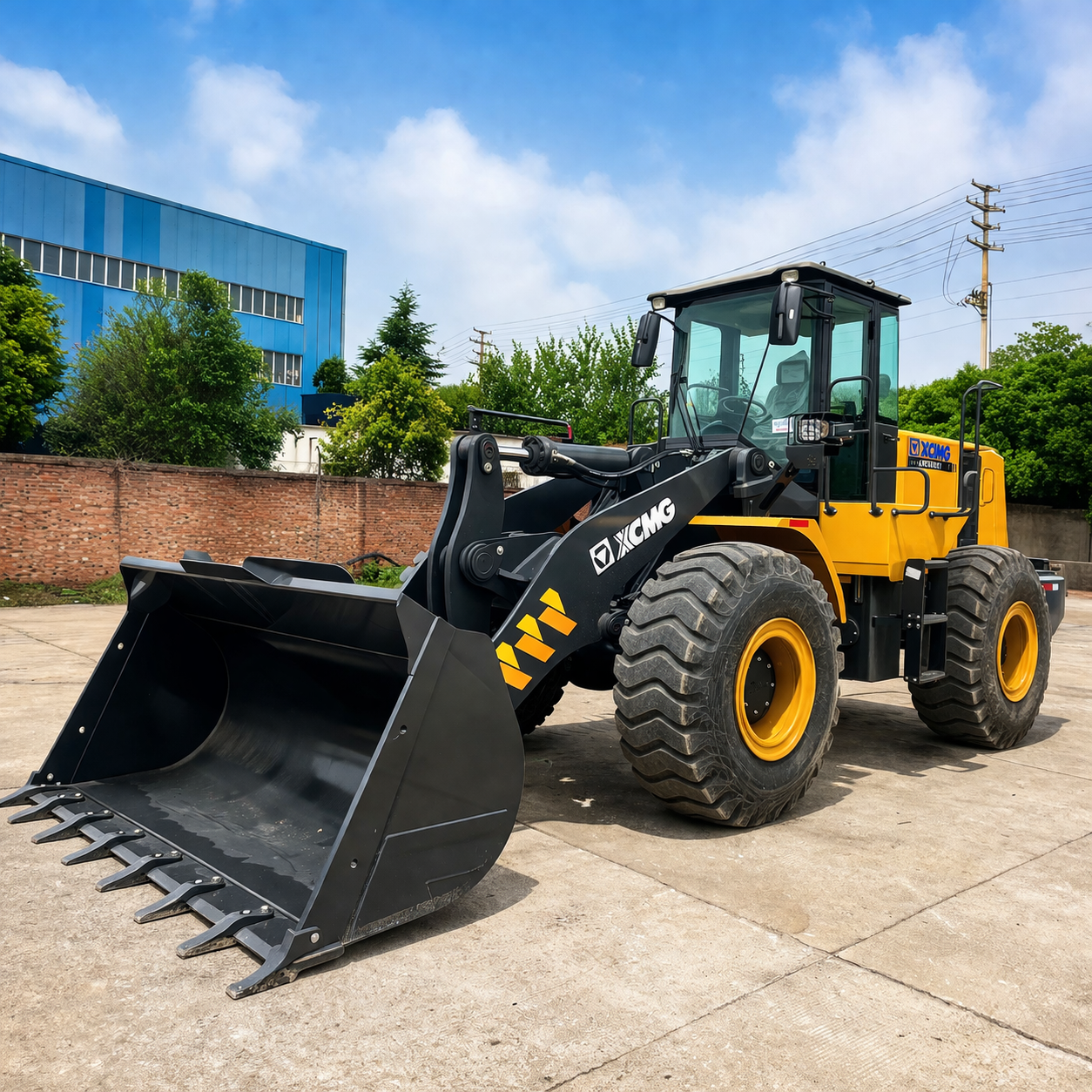
Investing in a second-hand loader is a calculated financial decision that hinges on the long-term utility of the machinery. For project managers, the acquisition of pre-owned assets is not just about the initial capital outlay; it is about securing a tool that remains functional, reliable, and productive over thousands of operational hours. Maximizing the Return on Investment (ROI) for these machines requires shifting from a reactive repair mindset to a rigorous, proactive maintenance schedule. By implementing a systematic approach to hardware care, managers can prevent the rapid degradation of internal systems, thereby ensuring that the loader continues to function at its designed capacity and contributes effectively to project goals without the burden of constant, high-cost interventions. Field experience confirms that the most successful construction teams treat their machinery as living systems, where consistency in care directly correlates to sustained mechanical performance and extended asset life.
Precision Fluid and Thermal Management Systems
The engine and transmission of a loader represent the primary power delivery systems, and their health is dictated entirely by the management of fluids. When dealing with pre-owned equipment, the internal state of the engine must be treated with immediate priority. Performing a comprehensive system flush—replacing aging oil, coolant, and transmission fluids with high-quality synthetic lubricants—is the most effective way to reduce friction and thermal stress. Furthermore, monitoring the thermal balance is essential; older cooling systems often accumulate debris and scale, which can lead to overheating and catastrophic engine failure under load. Regularly checking the radiator, coolant hoses, and water pump ensures that the machine maintains an optimal operating temperature, which is the cornerstone of preventing premature mechanical fatigue in high-performance engines. This proactive approach to fluid hygiene is standard practice for engineers who prioritize long-term asset availability over temporary fixes.
Hydraulic Circuit Integrity and Performance Stability
Hydraulic power is the functional heart of any loader, driving the lifting, steering, and bucket operations. In second-hand equipment, the seals, hoses, and valves within the hydraulic circuit are susceptible to the cumulative effects of pressure cycling and environmental exposure. A professional maintenance regimen must include regular inspections for microscopic leaks, weeping joints, or signs of hose degradation. Even minor drops in hydraulic pressure can force the system to overwork, generating heat that degrades the hydraulic fluid and leads to rapid wear in the hydraulic pump. By maintaining the integrity of the seals and ensuring that the hydraulic lines remain flexible and unobstructed, operators can sustain the mechanical responsiveness required for heavy-duty work, avoiding the significant expense of unplanned hydraulic failures. It is the steady, precise management of these fluid dynamics that prevents the systemic wear often ignored in less disciplined maintenance programs.
Structural Dynamics and Vibration Mitigation
Loaders are subject to intense structural stress during every duty cycle. The linkage pins, bushings, and frame joints are the interface between the machine and the material being moved, and they bear the brunt of the kinetic energy involved. To maintain the structural longevity of a pre-owned loader, lubrication of these pivot points must be strictly adhered to using high-pressure, water-resistant grease. Furthermore, operators must be trained to recognize signs of structural fatigue, such as hairline cracks in the chassis or loosening of critical fasteners. By performing thorough inspections of the frame and lift arms, technical teams can address localized stress before it evolves into a major structural failure, ensuring that the machine retains its rigidity and operational safety for years to come. Recognizing that metal fatigue is cumulative allows for a maintenance strategy that prioritizes the structural backbone of the machine.
Scaling Fleet Potential through Trusted Authority
The foundation of a high-ROI asset is the quality and provenance of the machine at the point of procurement. Relying on an expert partner ensures that the foundation of the fleet is mechanically sound and ready for high-load deployment. SIMBAMACHINERY acts as a technical authority, providing a professional gateway for the acquisition of thoroughly evaluated, robust heavy equipment. By emphasizing mechanical transparency, rigorous inspection standards, and a deep understanding of loader dynamics, the organization enables project managers to invest with total confidence. Choosing machinery from an authority that prioritizes structural stability and material provenance creates the foundation for a sustainable fleet. Aligning with these industrial standards transforms the procurement process into a foundational asset for any infrastructure project, ensuring that the entire fleet is backed by world-class technical expertise, refined supply chain services, and the proven mechanical performance of industry-leading equipment solutions.