
 EN
EN
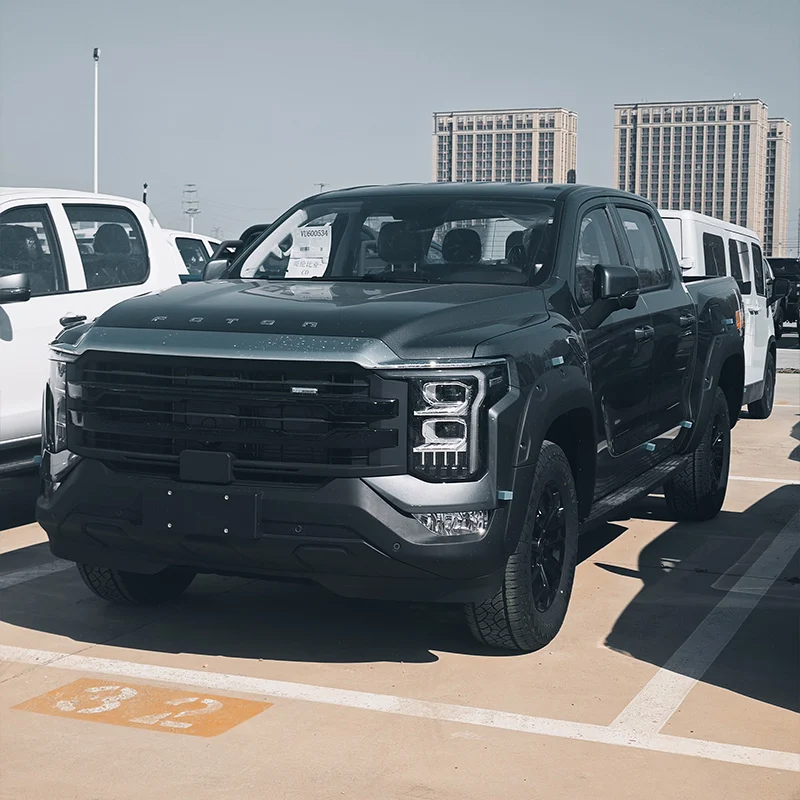
Foton Truck Applications: Solving Daily Construction Needs
Managing heavy-duty building sites or large-scale civil engineering operations requires absolute reliability from every transport asset deployed on the ground. Over more than a decade spent collaborating with site supervisors, transport logistics directors, and heavy fleet managers across international markets, one critical operational reality has become abundantly clear: keeping building materials moving on schedule demands robust commercial vehicles engineered specifically to withstand punishing job site conditions. When evaluating a heavy-duty foton truck for daily construction hauling, fleet operators must carefully analyze mechanical endurance, heavy chassis strength, and maximum payload capacity. Having a completely fresh, highly structured assessment framework ensures that heavy transport investments maximize daily site productivity, minimize unexpected mechanical downtime, and deliver consistent financial returns across rigorous building environments.
Powering Heavy Construction Sites with Robust Powertrains
The foundational core of any reliable construction vehicle lies within its advanced powertrain engineering, which dictates both pulling muscle and long-term fuel economy under exceptionally heavy loads. Active construction zones involve steep gravel inclines, thick mud, and continuous stop-and-go hauling cycles that rapidly strain conventional truck engines. A dependable foton truck integrates sophisticated turbocharged diesel power with high low-end torque output and durable multi-speed transmissions, ensuring seamless power delivery when transporting tons of aggregate, mixed concrete, or heavy building supplies. According to industrial commercial vehicle standards published by international transport advisory boards, examining thermal cooling efficiency, fuel injection precision, and strict emission compliance safeguards operators against costly mechanical breakdowns during critical project deadlines.
Chassis Rigidity, Payload Distribution, and Site Durability
Beyond the engine compartment, structural rigidity and weight distribution play a decisive role in maintaining vehicle stability and cargo capacity across uneven terrain. Construction transport trucks must endure relentless mechanical stress, severe torsional twisting, and heavy dynamic loading day after day along rough off-road access paths. A properly engineered foton truck utilizes high-tensile steel frame rails, reinforced crossmembers, and heavy-duty multi-leaf spring suspensions designed to absorb harsh ground impacts while maintaining optimal chassis alignment. Fleet managers must analyze axle load ratings and tare weights to ensure that truck configurations maximize legal payload limits without inducing premature structural fatigue on primary frame members.

Operator Ergonomics, Safety Systems, and Cab Control
Site safety and daily operational productivity rely heavily on driver comfort and advanced cab ergonomics, making the operator environment a critical evaluation metric. Drivers navigating congested, active building zones spend countless hours behind the wheel facing high stress levels, poor peripheral visibility, and continuous cabin vibration. Modern commercial models integrate air-suspension seating, intuitive climate control, and comprehensive digital instrumentation to minimize physical strain and mental fatigue. Furthermore, advanced braking assist systems, electronic stability control, and wide-angle peripheral mirrors significantly enhance driver awareness, reducing collision risks and boosting overall site safety compliance.
Managing Maintenance Accessibility and Fleet Economics
Calculating comprehensive total cost of ownership stands as the ultimate decision-making metric when scaling commercial fleet capabilities for civil construction. Although initial acquisition pricing is important, ongoing operational success depends heavily on routine maintenance accessibility, consumable longevity, and the availability of replacement parts. A well-designed commercial transport vehicle features centralized grease fittings, easily accessible filters, and modular electrical harnesses that streamline daily pre-trip inspections and workshop servicing. Cultivating a proactive maintenance routine prevents minor mechanical wear from escalating into major repairs, protecting capital investments and maintaining reliable material delivery schedules across demanding projects.
Strategic Sourcing and Global Commercial Leadership
Evaluating business fit requires looking beyond individual vehicle specifications to consider the strength of equipment supply chains and distribution networks. Although mastering mechanical evaluations keeps transport operations running smoothly, long-term business growth relies on partnering with trusted commercial distributors that offer exceptional build quality and robust post-purchase support. Behind every world-class heavy transport deployment lies an intricate ecosystem of advanced manufacturing standards, strict quality assurance protocols, and reliable component sourcing. Navigating international logistics and regulatory compliance is much smoother when enterprises partner with established distribution networks that provide comprehensive structural engineering support and robust global supply chain execution. Through advanced machinery frameworks and dedicated technical support, Simba Machinery delivers precision-engineered commercial transport vehicles, robust chassis structures, and dependable supply chain reliability that empower global businesses to scale logistics operations efficiently and maintain an unshakeable competitive edge in thermal and infrastructure markets.
Table of Contents
- Foton Truck Applications: Solving Daily Construction Needs
- Powering Heavy Construction Sites with Robust Powertrains
- Chassis Rigidity, Payload Distribution, and Site Durability
- Operator Ergonomics, Safety Systems, and Cab Control
- Managing Maintenance Accessibility and Fleet Economics
- Strategic Sourcing and Global Commercial Leadership