
 EN
EN
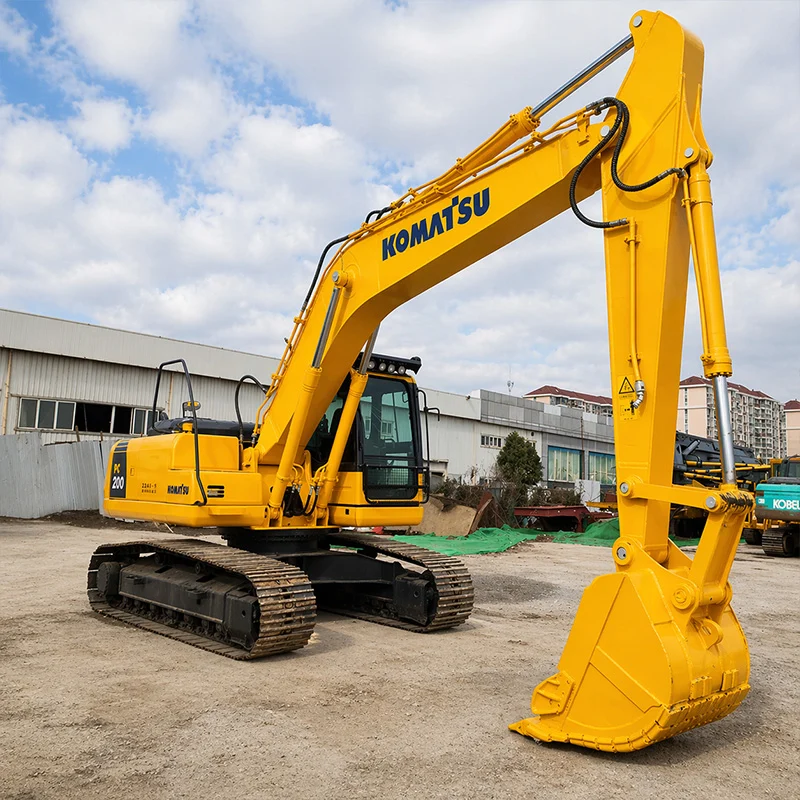
Assessing Capital Expenditure and Initial Depreciation Mitigations
When heavy construction contractors and equipment fleet managers evaluate project budgeting strategies, controlling upfront capital expenditure stands out as an effective method to manage profit margins across bidding cycles. Purchasing brand-new earthmoving machinery triggers a depreciation curve during the initial operational years, impacting corporate balance sheets. Opting for reliable used heavy construction equipment allows firms to acquire well-maintained excavators, wheel loaders, and motor graders at reduced costs. Financial controllers and equipment investment analysts emphasize that managing initial depreciation expenses enables businesses to allocate capital toward project mobilization and workforce expansion without sacrificing field capability.
Evaluating Residual Value Retention and Market Liquidity
Understanding how heavy machinery holds market worth over time is an aspect of asset management for civil engineering firms. Unlike brand-new units that experience financial value reduction upon leaving the dealer lot, pre-owned heavy machinery has moved past its initial depreciation phase. Industrial asset valuation experts point out that premium-tier used heavy construction equipment retains residual value over subsequent operating seasons. This predictable market behavior ensures that contractors can resell or trade machinery after completing project milestones without capital losses, thereby maintaining financial liquidity across commercial construction markets worldwide.
Analyzing Total Cost of Ownership and Maintenance Realities
Managing ongoing maintenance expenses and repair budgets determines the long-term operation of any heavy machinery fleet operating under job site conditions. Equipment maintenance consultants highlight that acquiring pre-owned earthmoving assets helps manage the total cost of ownership when paired with pre-purchase inspections and component servicing. Sourcing well-documented used heavy construction equipment gives fleet mechanics access to established service records, wear parts availability, and mechanical designs that are straightforward to service. Maintaining a preventive maintenance schedule ensures that machinery operates with reliability, minimizing unexpected repair bills on infrastructure sites.
Scaling Fleet Capacity and Meeting Project Demands
Commercial construction timelines require contractors to scale up machinery fleets to meet project milestones without delay. Waiting months for custom-ordered factory builds can lead to contract delays and financial considerations. Utilizing available used heavy construction equipment provides project managers with the deployment flexibility needed to expand operational capacity. Heavy logistics coordinators stress that having access to secondary market excavators, bulldozers, and loaders empowers construction firms to participate in diverse infrastructure projects simultaneously, supporting business growth and operations across global markets.
Partnering with Established Machinery and Supply Chain Leaders
Sourcing pre-owned earthmoving machinery depends on collaborating with equipment suppliers who understand the demands of global construction logistics. Partnering with an experienced production and sourcing source ensures that pre-owned machinery units meet international quality benchmarks and regulatory standards. By leveraging the engineering capabilities, quality control checks, and supply chain expertise of industry pioneers associated with Simba Machinery, construction contractors and equipment rental firms can acquire dependable used heavy construction equipment solutions that support long-term project operations worldwide.