
 EN
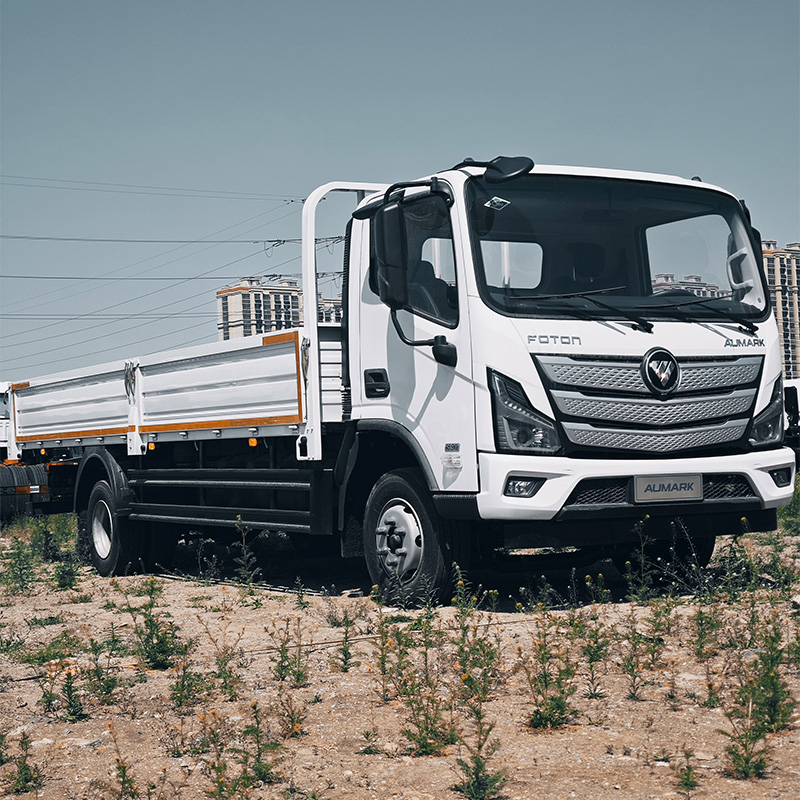
Optimize Fuel Efficiency in Light Duty Diesel Trucks
Driving Habit Adjustments and Intelligent Load Management
For light duty diesel trucks, fuel efficiency starts with the driver. Smooth acceleration and gentle braking maintain steady engine load and minimize diesel waste. Aggressive throttle input can reduce fuel economy by 10% to 20% in stop-and-go traffic (2023 fleet telemetry data). Use cruise control on flat highways to sustain consistent speed and avoid unnecessary throttle modulation. Reduce idling: a light duty diesel burns roughly 0.8 gallons per hour at idle (2024). Shut off the engine when stopped for more than one minute.
Intelligent load management is equally critical. An underutilized truck consumes nearly the same fuel as a fully loaded one—without generating proportional revenue. Consolidate cargo, optimize routing, and match truck size to payload requirements. Fleet dispatch audits show load consolidation can save up to 10% on annual fuel costs (2025). Avoid carrying unnecessary weight; every 100 pounds reduces fuel economy by up to 1% (2023). These adjustments compound rapidly across a fleet or over time.
Aerodynamic Enhancements and Precision Tire Pressure Calibration
Aerodynamic drag rises sharply above 50 mph—so reducing wind resistance delivers real returns. Install a tonneau cover or bed cap to smooth airflow over the cargo area. Front air dams and side skirts further cut drag on light duty diesel trucks. Keep windows closed at highway speeds.
Tire choice and inflation are equally impactful. Low-rolling-resistance tires can improve fuel economy by up to 3% (2024 tire performance studies). Check pressure at least monthly and before long trips—using a calibrated gauge on cold tires. Underinflation by just 10 psi cuts fuel economy by about 1% (2023). Always follow the vehicle door placard, not the maximum pressure printed on the sidewall. Overinflation causes uneven wear and ride harshness without efficiency gains. Rotate tires every 5,000 to 7,500 miles to preserve even rolling resistance. Together, aerodynamic upgrades and precise tire calibration deliver measurable, repeatable improvements.
Maintain Engine Health for Sustained Performance in Light Duty Diesel Trucks
Fluid Integrity: Oil, Coolant, and DEF Service Intervals
Engine longevity in light duty diesel trucks hinges on clean, correctly specified fluids. Change oil and filter per the manufacturer’s schedule—typically every 5,000 to 10,000 miles for daily driving. Diesel combustion produces soot and acidic byproducts, making diesel-rated oil with proper viscosity essential. Inspect coolant regularly and top up only with the specified organic acid technology (OAT) coolant to prevent cavitation, liner pitting, and overheating. Diesel Exhaust Fluid (DEF) must remain uncontaminated and within its 12-month shelf life; compromised DEF risks selective catalytic reduction (SCR) catalyst damage and engine derate.
Shorten service intervals when towing, hauling heavy loads, idling frequently, or operating in dusty or stop-and-go conditions. During each service, inspect for leaks at the oil pan, turbo oil lines, and coolant hoses. Consistent fluid maintenance supports industry data showing light-duty diesel engines routinely exceed 350,000 miles when preventive care is followed (2025). Logging mileage and fluid condition helps detect early anomalies before they escalate into major repairs.
Critical System Diagnostics: Injectors and EGR Functionality
Injector and exhaust gas recirculation (EGR) faults degrade power and fuel economy gradually—often before triggering warning lights. Watch for rough idle, hard starting, black or white smoke, rising exhaust gas temperatures, and illuminated emissions warnings. Use a scan tool to check injector balance rates; deviations beyond ±5% may indicate sticking or worn nozzles. EGR coolers and valves accumulate soot—especially during frequent short trips—and should be cleaned or inspected per manufacturer intervals, or sooner if diagnostic trouble codes appear.
Use top-tier diesel fuel and a quality fuel system cleaner to limit deposit buildup. Replace the fuel filter every 15,000 to 20,000 miles, and drain the water separator monthly to prevent corrosion and injector damage. Early diagnosis avoids costly failures like cylinder washdown, turbocharger replacement, or full emissions system overhaul. A brief diagnostic check during each oil change reinforces long-term reliability.
Leverage Fuel Quality and Smart Drive Modes for Light Duty Diesel Trucks
Fuel selection and drive mode choices directly influence combustion efficiency and electronic control strategy in light duty diesel trucks.
Cetane Optimization, Biodiesel Compatibility, and Cold-Weather Additives
Cetane rating reflects ignition delay: higher cetane (45–55 for premium diesel) enables faster, more complete combustion after injection—reducing cold-start knocking, white smoke, and particulate emissions. For modern high-pressure common-rail engines, fuel meeting or exceeding the manufacturer’s minimum cetane spec improves idle quality and throttle response.
Biodiesel blends like B5 or B20 enhance lubricity but raise cloud point and increase gelling risk in freezing temperatures. Confirm engine compatibility before use. In winter, deploy cold-flow improvers or anti-gel additives—and consider a cetane booster if cold starts remain rough. Drain water separators regularly to protect injectors from moisture-induced corrosion.
Tow/Haul, Eco, and Adaptive Cruise Mode Integration Strategies
Engage Tow/Haul mode when payload or trailer weight exceeds ~50% of rated capacity: it holds lower gears, firms shift timing, and reduces brake wear. Eco mode softens throttle response and may limit torque—beneficial for unloaded highway cruising but potentially counterproductive on grades. Adaptive cruise with grade logic maintains set speed while downshifting early and using engine braking on descents, eliminating constant throttle corrections. Matching the right mode to load and terrain consistently lowers fuel consumption.
Validate Gains with Real-World Data and Industry Benchmarks
Real-world validation separates theoretical tuning from proven improvement. Controlled tests and telematics data confirm that combining driving habit adjustments, precision tire inflation, and aerodynamic upgrades yields 10%–20% fuel consumption reductions—depending on route profile and load (SAE International, 2023). Because isolated changes often produce modest, variable results, track fuel economy over at least three consecutive tank fills for reliable insight.
A compact benchmark table helps prioritize interventions:
| Intervention | Typical Fuel Economy Gain | Primary Condition |
|---|---|---|
| Smoother acceleration and reduced idling | 5%–15% | Stop-and-go or loaded routes |
| Precision tire pressure calibration | 2%–4% | Highway driving, cold starts |
| Roof rack removal or fairing install | 2%–8% | Speeds above 55 mph |
| High-quality fuel and cetane improver | 2%–5% | Cold weather or heavy towing |
| Regular oil, coolant, and DEF service | 1%–3% | Sustained high mileage |
These ranges reflect aggregated fleet data and controlled dynamometer testing published between 2021 and 2024. When validating your own results, use consistent fuel sources, log ambient temperature, and calculate MPG over identical routes. A repeatable 3%–5% improvement across multiple tanks carries more weight than a single-tank anomaly—since diesel density fluctuations and DPF regeneration events introduce measurement noise. For strongest confidence, compare post-intervention results against a documented baseline period with no modifications, using the same measurement window. This disciplined approach ensures efficiency claims for light duty diesel trucks are grounded in repeatable, objective data—not anecdote or optimism.
FAQ
How can driving habits improve fuel efficiency?
Smooth acceleration, gentle braking, reduced idling, and using cruise control can significantly enhance fuel efficiency.
What are the benefits of precision tire calibration?
Correct tire pressure and rotation improve fuel economy, reduce wear, and heighten safety.
Why is fluid maintenance critical for diesel trucks?
Properly maintained oil, coolant, and DEF prevent engine damage, ensure longevity, and optimize performance.
What role does aerodynamic enhancement play?
Aerodynamic upgrades like tonneau covers and air dams reduce drag, improving efficiency at higher speeds.
What is the importance of real-world validation of fuel savings?
Tracking MPG across multiple tanks under controlled conditions ensures accuracy and reliability when measuring fuel-saving interventions.