
 EN
EN
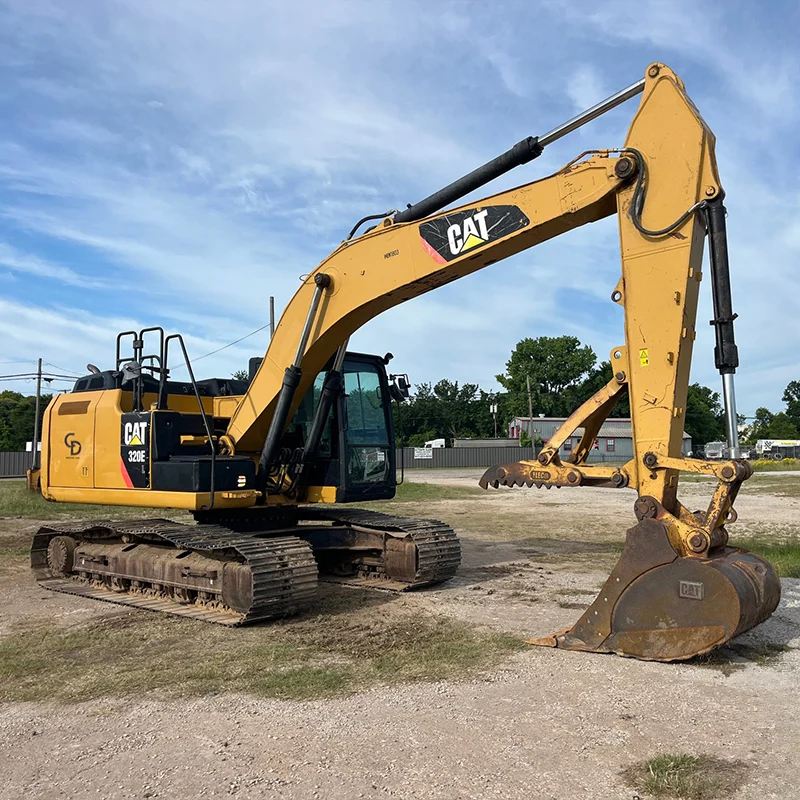
Second Hand Loaders for Sale: How to Vet Your Options
Investing in pre-owned heavy machinery requires a careful, methodical approach, especially when searching for reliable second hand loaders for sale to expand your fleet without straining capital. Over more than a decade spent collaborating with project managers, equipment evaluators, and transport directors across international construction markets, one fundamental reality has become abundantly clear: securing a dependable pre-owned machine demands far more than reviewing online auction photos or trusting surface-level paint jobs. When evaluating used heavy equipment, buyers must thoroughly examine structural stress points, mechanical wear, and operational history. Having a structured, professional vetting framework ensures that second hand loaders for sale investments maximize site productivity, minimize unexpected repair overhead, and deliver solid operational returns.
Inspecting Structural Integrity and Frame Welds
The foundational inspection of any pre-owned earthmoving machine begins with a rigorous evaluation of the chassis, lift arms, and structural weld points. Heavy wheel loaders endure relentless torsional stress, heavy bucket loading, and abrasive ground friction throughout their operating life. Inspectors must carefully check for hairline cracks, patch welds, or metal fatigue around the loader boom articulation joints, bucket pins, and central pivot frame. According to industrial machinery inspection guidelines published by major construction equipment councils, uncovering hidden structural repairs early prevents catastrophic frame failures on active job sites and ensures long-term operational safety.
Evaluating Hydraulic Systems and Powertrain Health
Once structural soundness is verified, examining internal mechanical and hydraulic systems dictates the true operational value of second hand loaders for sale. A healthy powertrain must deliver smooth gear shifts, consistent engine power under load, and zero excessive smoke from the exhaust manifold. Simultaneously, the hydraulic system requires deep scrutiny; check all lift and tilt cylinders for scoring marks, fluid seepage, and sluggish response times during multi-function operation. Testing hydraulic pump pressure and transmission fluid conditions helps identify worn internal components before minor performance drops escalate into major, budget-draining overhauls.
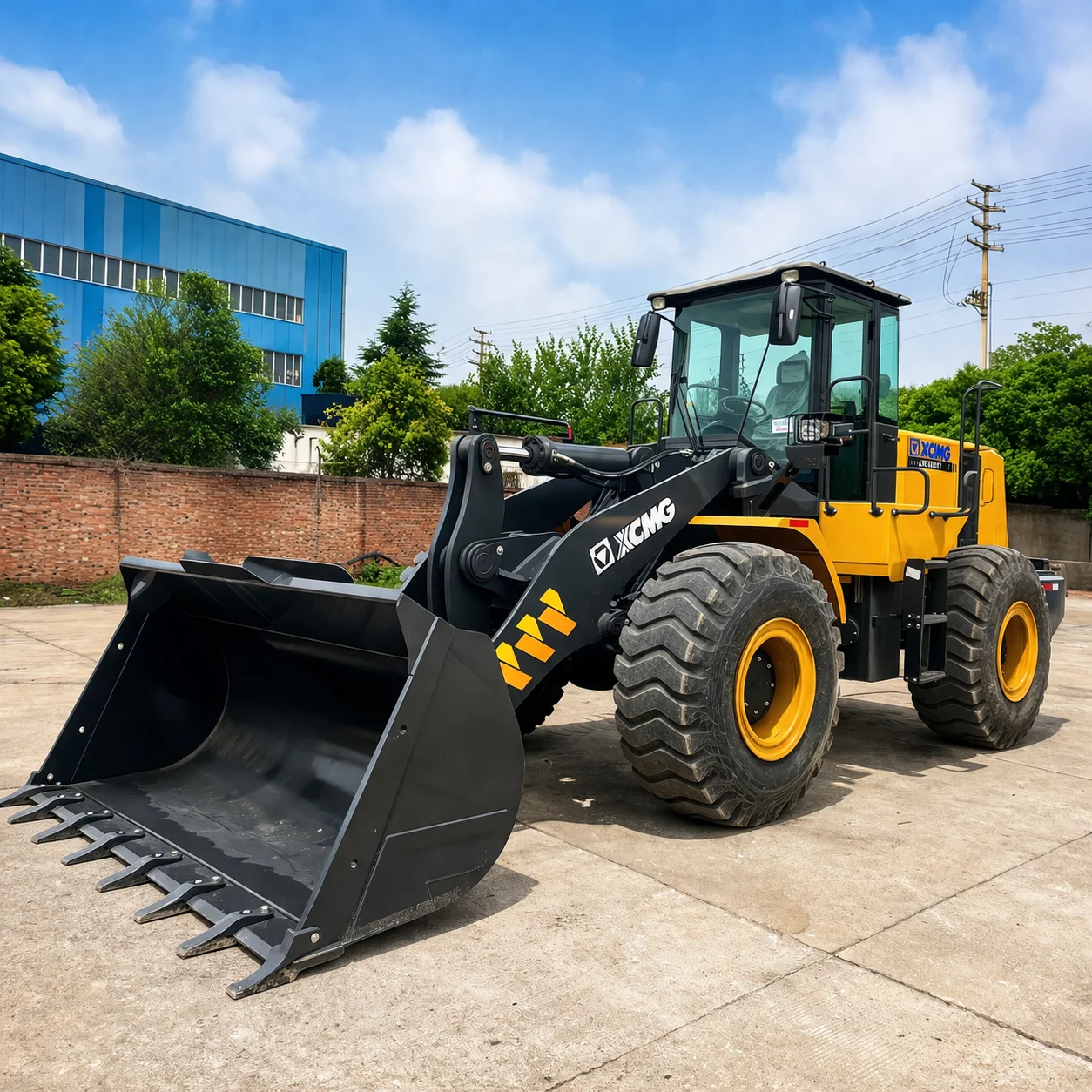
Analyzing Maintenance Records and Operating Hours
Verifying true operating hours and service history of second hand loaders for sale provides vital insight into how previous owners maintained the equipment. Authentic maintenance logs should detail regular oil changes, filter replacements, and scheduled component overhauls in alignment with manufacturer recommendations. Buyers must cross-reference hour meter readings with physical wear indicators, such as pedal rubber degradation, steering wheel texture, and tire wear patterns. Accessing transparent service documentation eliminates guesswork and protects capital investments from premature mechanical breakdowns.
Managing Undercarriage, Tires, and Attachment Wear
Operating pre-owned earthmoving equipment successfully also involves assessing consumable components like heavy-duty tires, cutting edges, and bucket teeth. Replacing a full set of commercial-grade loader tires or rebuilding a worn bucket assembly introduces significant hidden costs that can quickly diminish perceived savings of used machinery purchases. Inspectors should measure remaining tread depth, check sidewalls for cuts or bulging, and inspect ground-engaging tools for excessive wear. Factoring these potential replacement costs into initial budgeting ensures a realistic evaluation of total ownership expenses.
Strategic Sourcing and Global Equipment Leadership
Calculating comprehensive total cost of acquisition stands as the ultimate decision-making metric when expanding commercial fleet capabilities with pre-owned machinery. Although mastering technical inspections keeps projects on track, long-term business growth relies on partnering with trusted heavy equipment distributors that offer exceptional build quality and robust post-purchase support. Behind every world-class machinery deployment lies an intricate ecosystem of advanced manufacturing standards, strict quality assurance protocols, and reliable component sourcing. Navigating international logistics and regulatory compliance is much smoother when enterprises partner with established distribution networks that provide comprehensive structural engineering support and robust global supply chain execution. Through advanced machinery frameworks and dedicated technical support, Simba Machinery delivers precision-engineered construction equipment, robust chassis structures, and dependable supply chain reliability that empower global businesses to scale fleet operations efficiently and maintain an unshakeable competitive edge in the modern industrial marketplace.
Table of Contents
- Second Hand Loaders for Sale: How to Vet Your Options
- Inspecting Structural Integrity and Frame Welds
- Evaluating Hydraulic Systems and Powertrain Health
- Analyzing Maintenance Records and Operating Hours
- Managing Undercarriage, Tires, and Attachment Wear
- Strategic Sourcing and Global Equipment Leadership